
Here’s the deal: many publishers say Google cannibalizes publisher traffic with its AI-driven overviews and grounding techniques. However, that claim sits at the center of a heated antitrust fight. Ultimately, publishers argue Google repackages their content and serves answers directly on the search results page.
And because users can read overviews without clicking, publishers say their ad and subscription revenue falls. Thus the case frames a question about the web’s fundamental fair exchange. If search becomes an answer engine, what happens to reporters, niche sites, and small publishers?
Next, this article examines that dispute, the legal filings, and the technology called RAG. We also look at evidence that zero-click behavior increases and at Google’s defense. So, can publishers demand reciprocity, or must they adapt?
Penske Media Corporation’s filing argues the practice harms sites such as Deadline and Rolling Stone. It claims that Google’s RAG grounding and AI Overviews increase zero-click searches. Therefore publishers say the baseline fair exchange of traffic for indexing has eroded. The stakes are high. Who pays the bill for quality journalism? Read on to see the evidence and the options publishers have.
Google started as a link indexer and evolved into something different. Over the last few years, that evolution accelerated. Now Google’s search results often include AI Overviews and concise answers right on the results page.
The change matters because it alters the path users take. With AI search summaries, users often see what they need without clicking. As a result, publishers lose referral traffic and monetizable visits. PMC’s filings argue this forcefully. They say Google repackages publisher work through RAG grounding and serves it directly on the SERP. The filing even quotes: ‘Google may be the only company in the world whose stated goal is to have users leave its website as quickly as possible.’ That line signals how radical the shift feels to publishers.
Technically, RAG grounding mixes retrieved content with AI-generated synthesis. The synthesis aims to be complete and fast. However, that completeness can cannibalize original sources. When users consume AI Overviews on the SERP, click-through rates fall. Therefore ad impressions, affiliate conversions, and subscription starts decline. The effect is especially sharp for niche outlets and news sites that depend on search referrals.
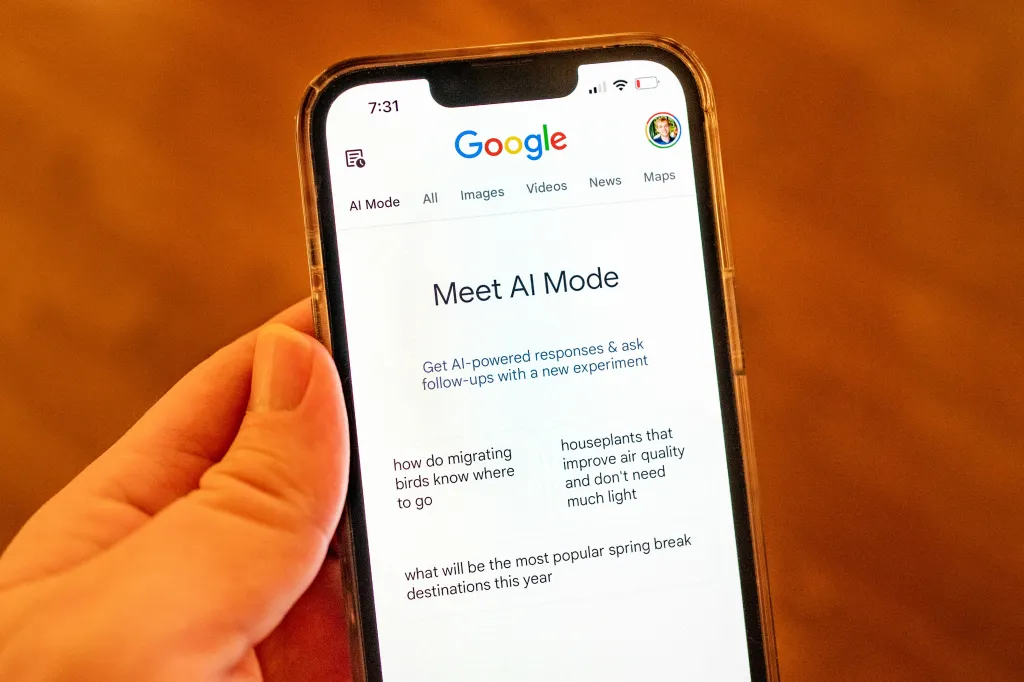
Critically, the pivot turns search into an answer engine. It prioritizes immediate answers over sending people to the human created web. So publishers face a stark choice. They can seek legal remedies or change how they capture value. Either way, the reality is clear: Google cannibalizes publisher traffic, and publishers must respond with policy, product, or business model changes.
| Metrics | Before AI Overviews | After AI Overviews | Commentary on change |
|---|---|---|---|
| Click-through rate (CTR) | Generally higher; users clicked through to publisher pages | Decreased significantly; AI Overviews answer queries on the SERP | Because AI search displays answers, CTR falls. RAG grounding repackages publisher content and reduces clicks. |
| Zero-click searches | Relatively low; many searches led to destination sites | Increased; more queries end without a click | Therefore publishers report more zero-click behavior, hurting audience acquisition and engagement. |
| Referral traffic volume | Stable source of audience and conversions | Declined for affected topics and queries | So referral referrals that fund ads and subscriptions have dropped, especially for niche outlets. |
| Monetizable visits (ads and subscriptions) | Higher because users reached full articles | Lower; ad impressions and conversions fall | AI Overviews remove pageviews and ad inventory, reducing publisher revenue. |
| Content attribution and reuse | Origin sites received traffic and clear attribution | Content often summarized or repackaged on SERP | This repackaging can cannibalize the publisher’s original audience and value. |
| Crawl and index “fair exchange” | Seen as a baseline exchange for indexing | Publishers claim the exchange has eroded by grounding | PMC argues Google cannibalizes publisher traffic through RAG grounding and AI Overviews. |
| Publisher bargaining power | Many publishers relied on search referrals for scale | Weakening; few scalable alternatives exist | So publishers face choices: adapt products, seek remedies, or risk revenue decline. |
What Happens When a Gatekeeper Starts Serving the Content It Once Linked To?
Penske Media Corporation asked that very question in a federal filing. In February 2026, PMC formally opposed Google’s motion to dismiss an antitrust complaint that accuses Google of using AI to cannibalize publisher traffic.
PMC represents about twenty brands, including Deadline, The Hollywood Reporter, and Rolling Stone. The complaint frames the web relationship as a fundamental fair exchange. Publishers grant crawling and indexing. In return, they receive referral traffic that funds reporting and operations. However, PMC says that balance eroded when Google deployed AI Overviews and the RAG grounding process.
Specifically, the filing alleges Google repackages publishers’ reporting and displays it on the SERP. Therefore users read answers without visiting origin sites. The complaint puts it bluntly: “Google’s search monopoly leaves publishers with no choice: acquiesce—even as Google cannibalizes the traffic publishers rely on—or perish.” That line captures the existential fear.
PMC also documents technical mechanics. RAG grounding retrieves source material, then blends it with AI synthesis. As a result, PMC contends, Google effectively republishes publisher content. Click-through rates fall and zero-click searches rise. So ad impressions, affiliate revenue, and subscription signups decline for affected titles.
Google pushes back in court. The company argues it never promised to deliver referral traffic. It also points to statements about sending people to the human created web. Still, the filing highlights a power imbalance. With Google controlling the majority of search queries, publishers struggle to negotiate reciprocity or meaningful compensation.
The case matters beyond PMC. If the court accepts the complaint, platforms may have to rethink how they surface third-party content. If not, publishers might double down on product change, licensing deals, or regulatory pressure. Either way, the legal fight forces a market test of whether AI search and the historic fair exchange can coexist.
The Impact of AI on Publisher Revenue
Who pays for original reporting when answers live on the search page? The reality is blunt: Google cannibalizes publisher traffic with AI Overviews and RAG grounding. That shift threatens referral-based revenue and the fair exchange that sustained the web.
AI search now synthesizes and surfaces summaries on the SERP, so users often stop there. Because those AI Overviews retrieve and repackage publisher work, click-through rates fall. Therefore, ad impressions, affiliate conversions, and subscription starts decline for many outlets.
PMC’s antitrust filing says publishers like Deadline, The Hollywood Reporter, and Rolling Stone feel the impact. The complaint frames this as a power imbalance and a market test for whether search can still drive traffic. Courts and regulators will weigh in, but publishers can’t wait.
Pixel Hover helps here. As a full-stack digital partner, Pixel Hover builds scalable SEO-optimized ecosystems that reduce dependency on a single referral source. They redesign subscription funnels, strengthen first-party data, improve structured metadata, and create faster, shareable content experiences. These moves recover audience and revenue despite AI answers on SERPs. So publishers should combine legal, product, and technical strategies now. Take smart, tangible steps to protect journalism and grow direct relationships with readers.